
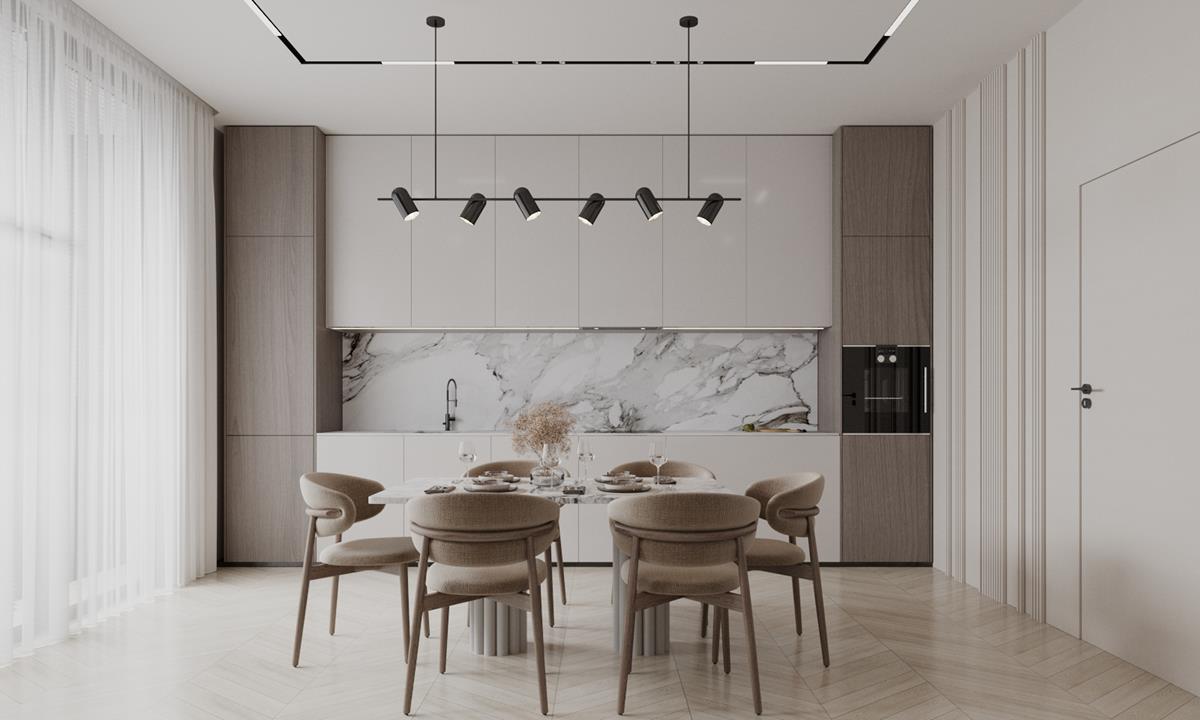
The Living Room – A Refuge of Elegance, Comfort, and Style
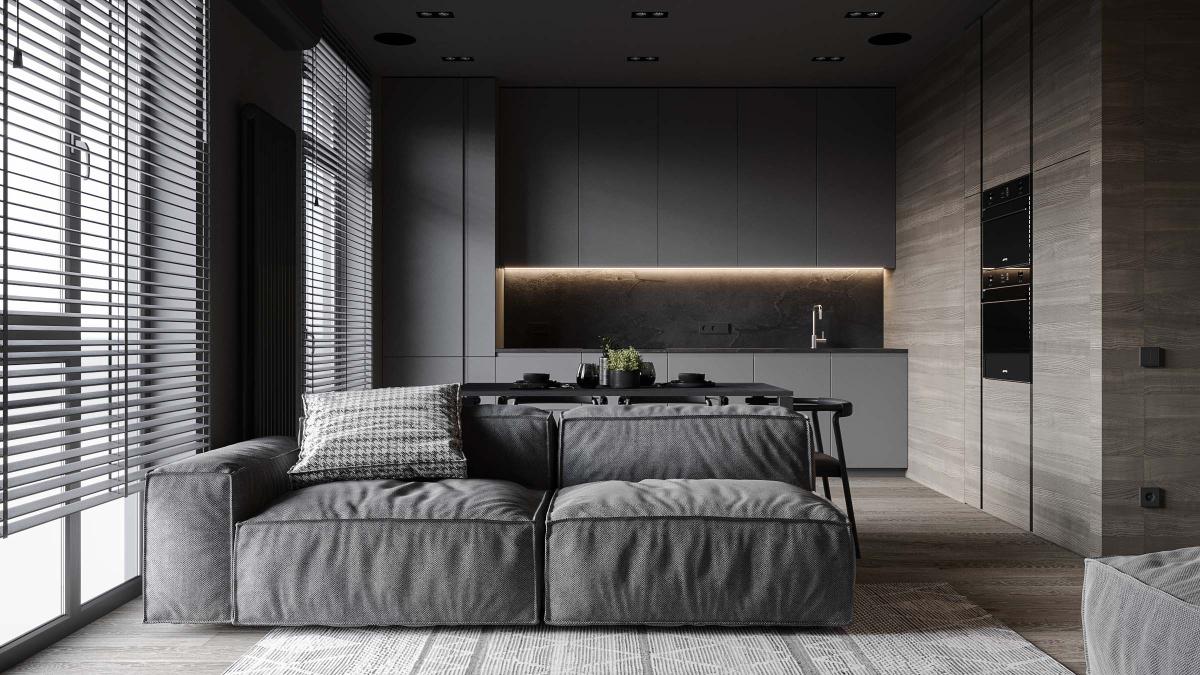
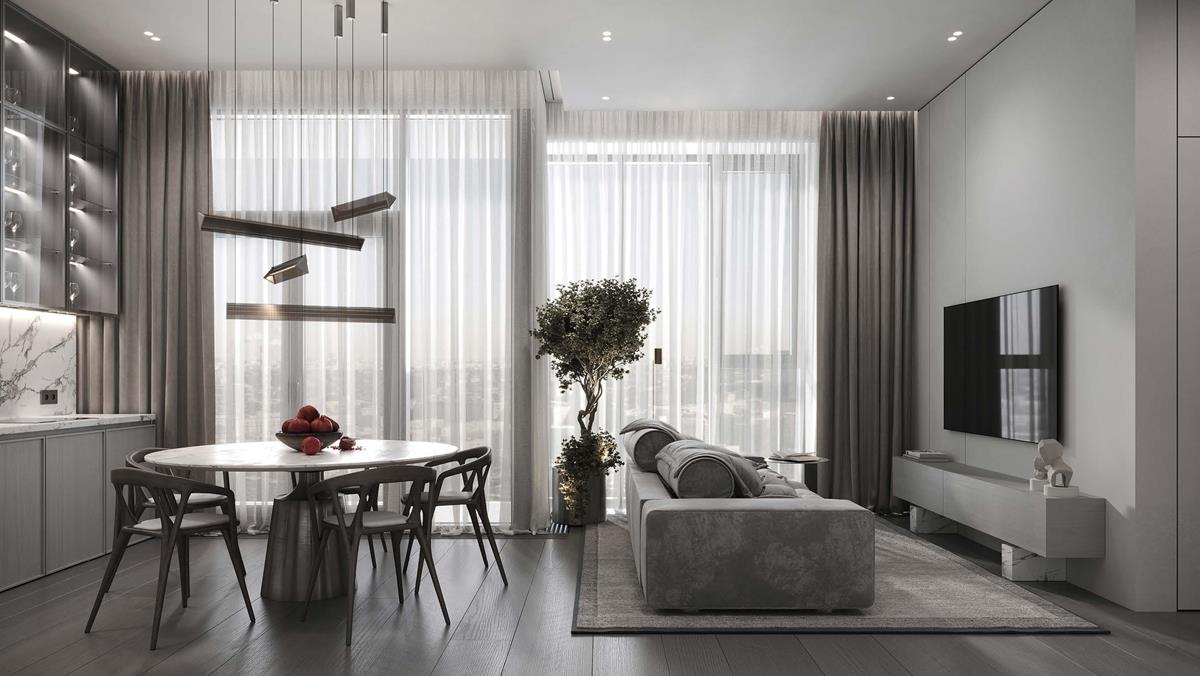
The living room is more than just a room; it’s the space where the home comes to life. Here, daily relaxation blends with family moments and evenings of socializing with friends. Every element in the living room contributes to creating a harmonious space, where functionality meets aesthetics, offering both comfort and a welcoming atmosphere. Well-chosen furniture and decorative details bring personal vision to life, turning this space into the heart of the home.
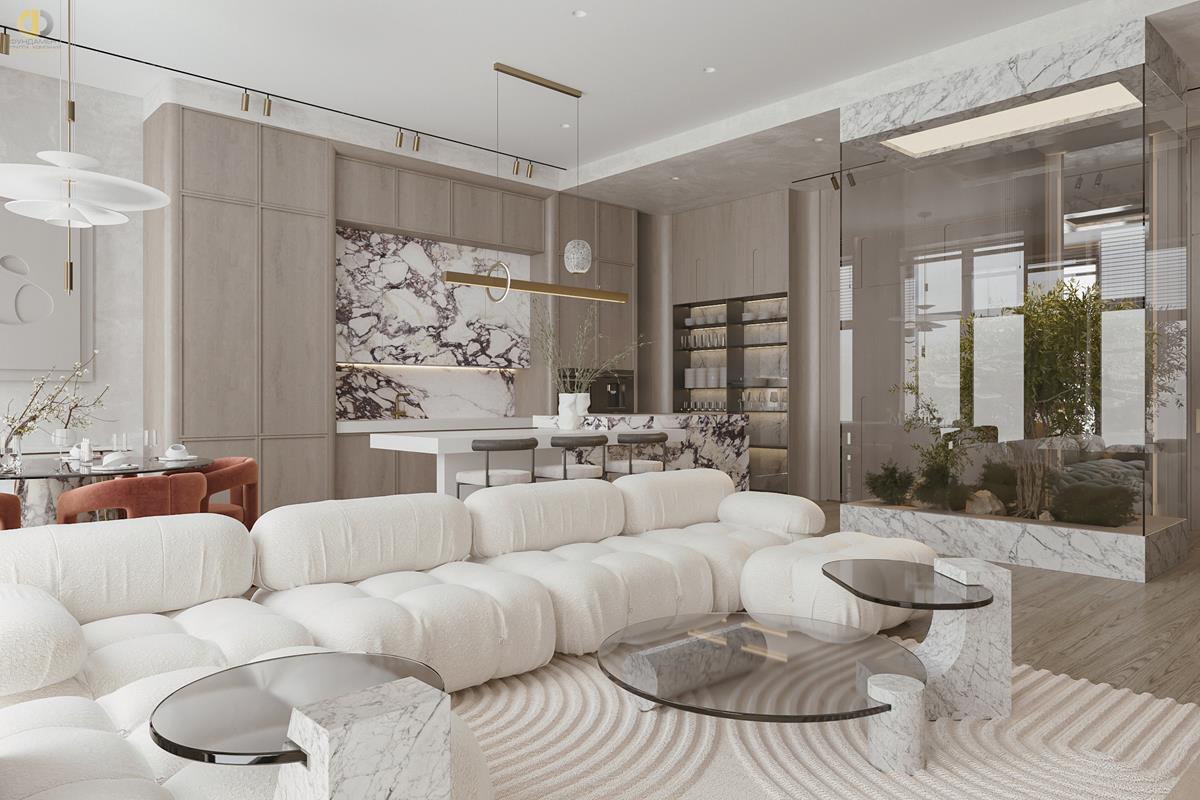
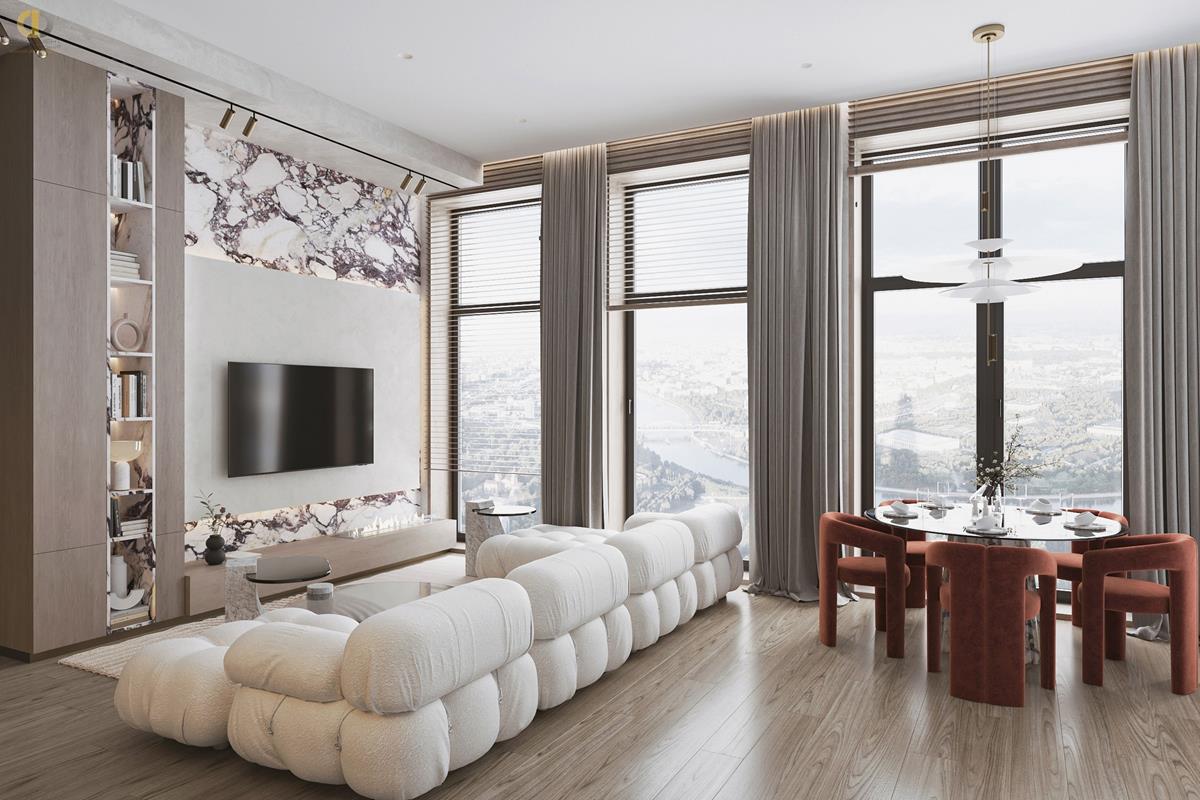
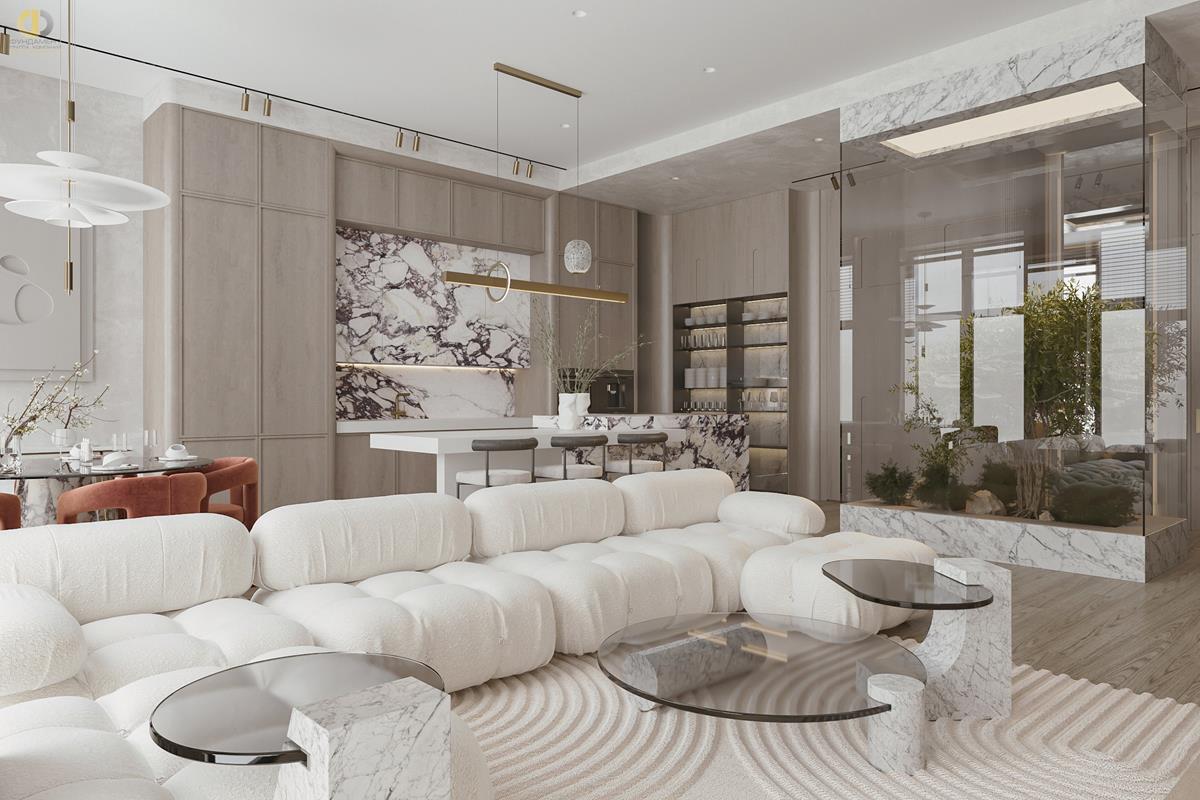
Living Room Furniture – Integrated Functionality and Elegance
Living room furniture must be functional, but also aesthetically pleasing. Every piece should fit perfectly in the space, ensuring necessary comfort while also adding a pleasing design that contributes to the room’s overall style. From TV stands to decorative panels, every detail adds value and personality to the room.
TV Stand – The Balance between Aesthetics and Practicality
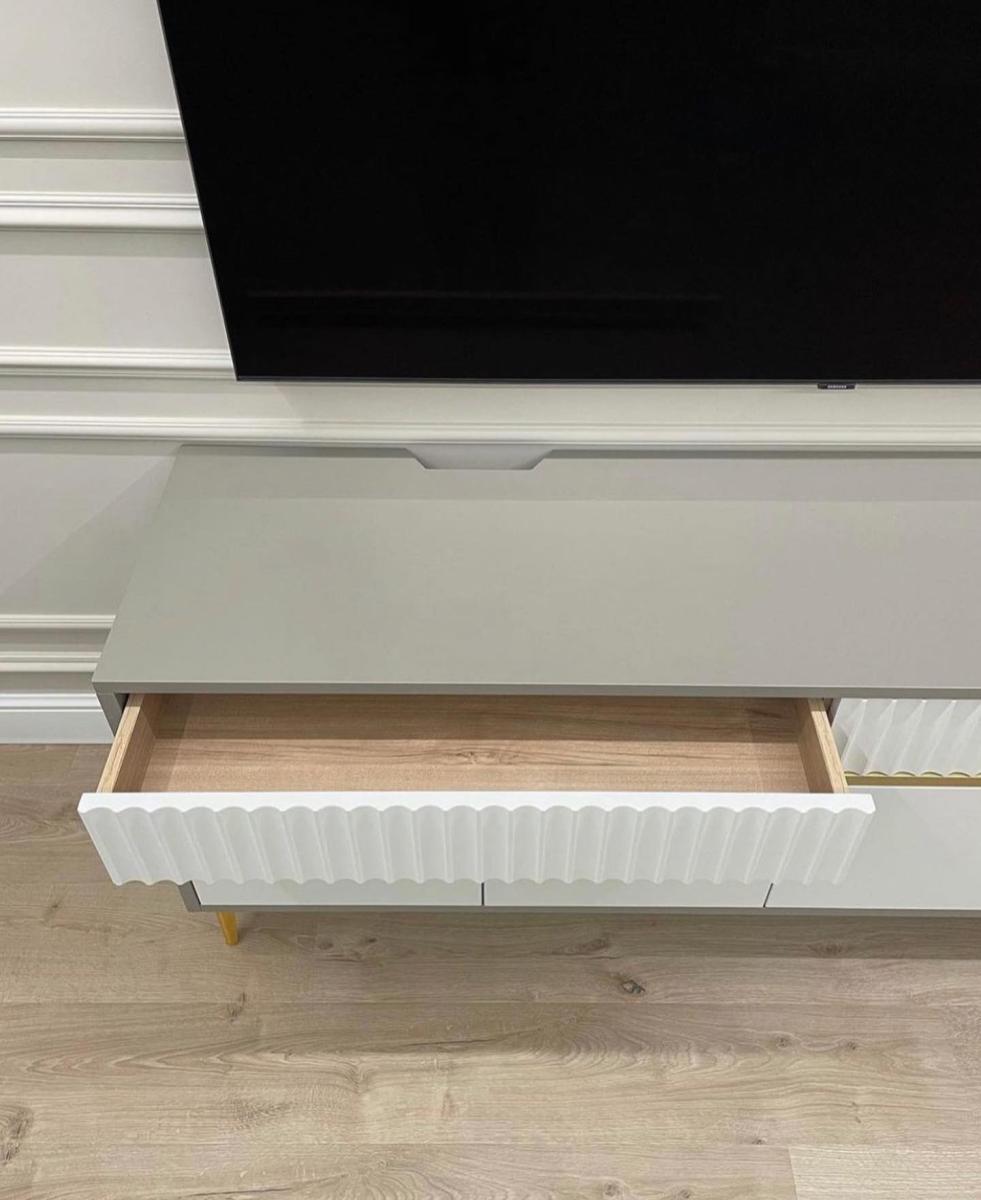
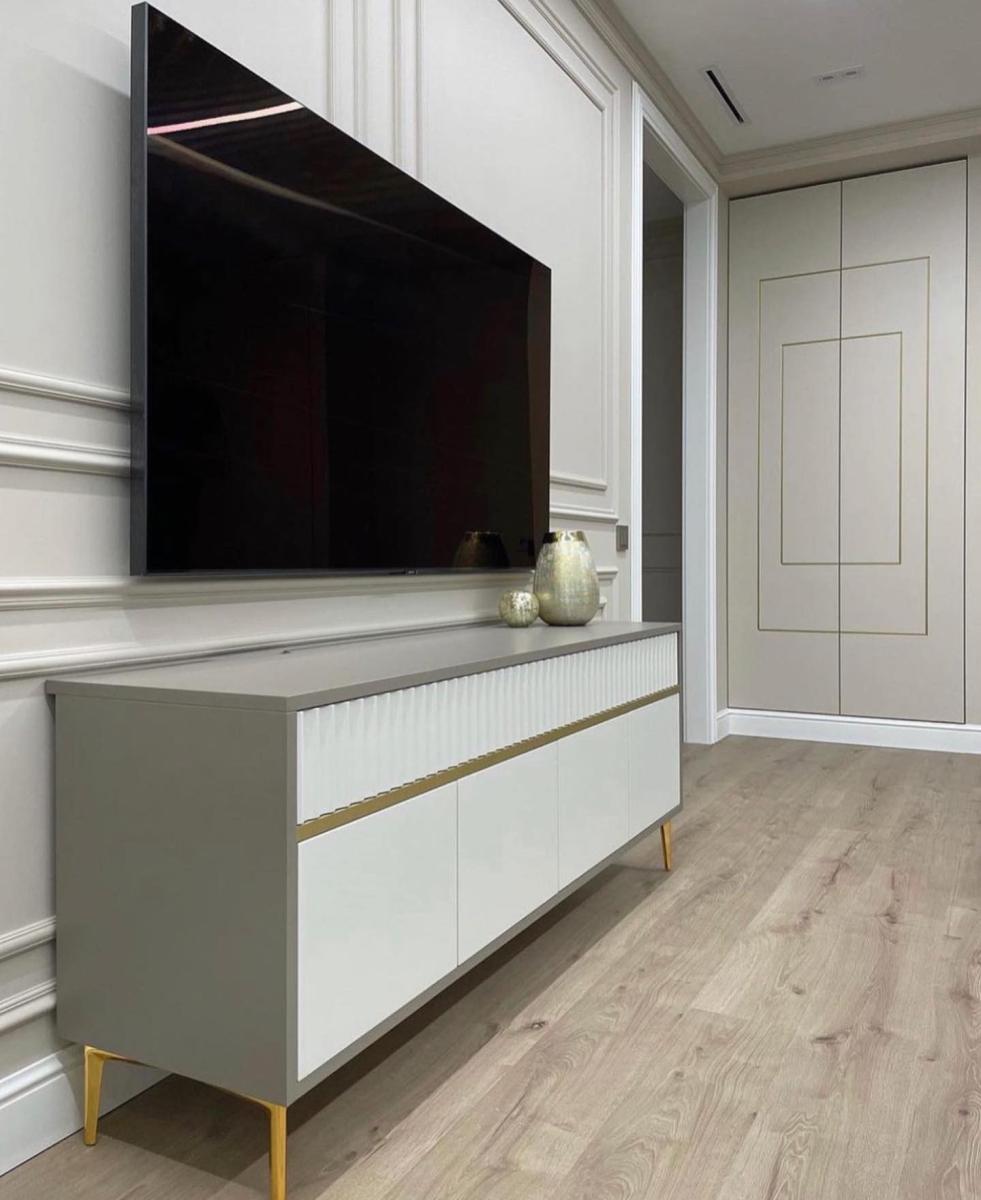
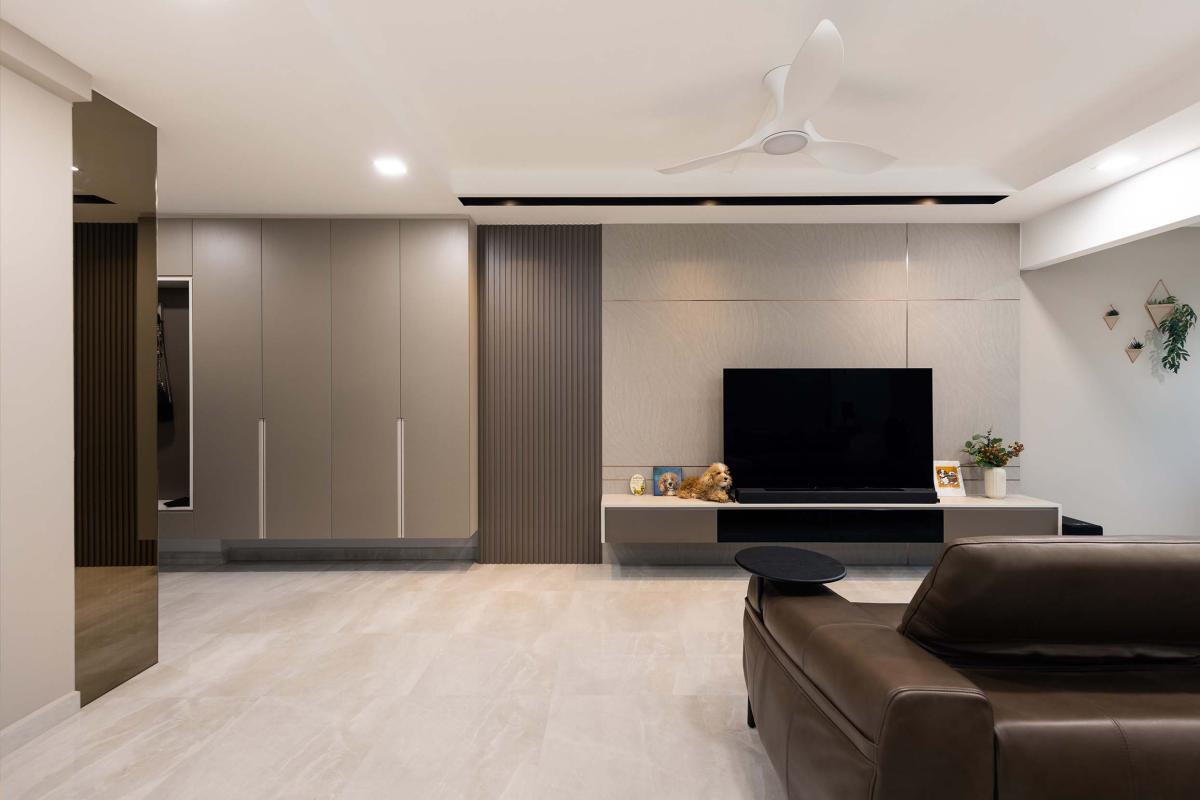
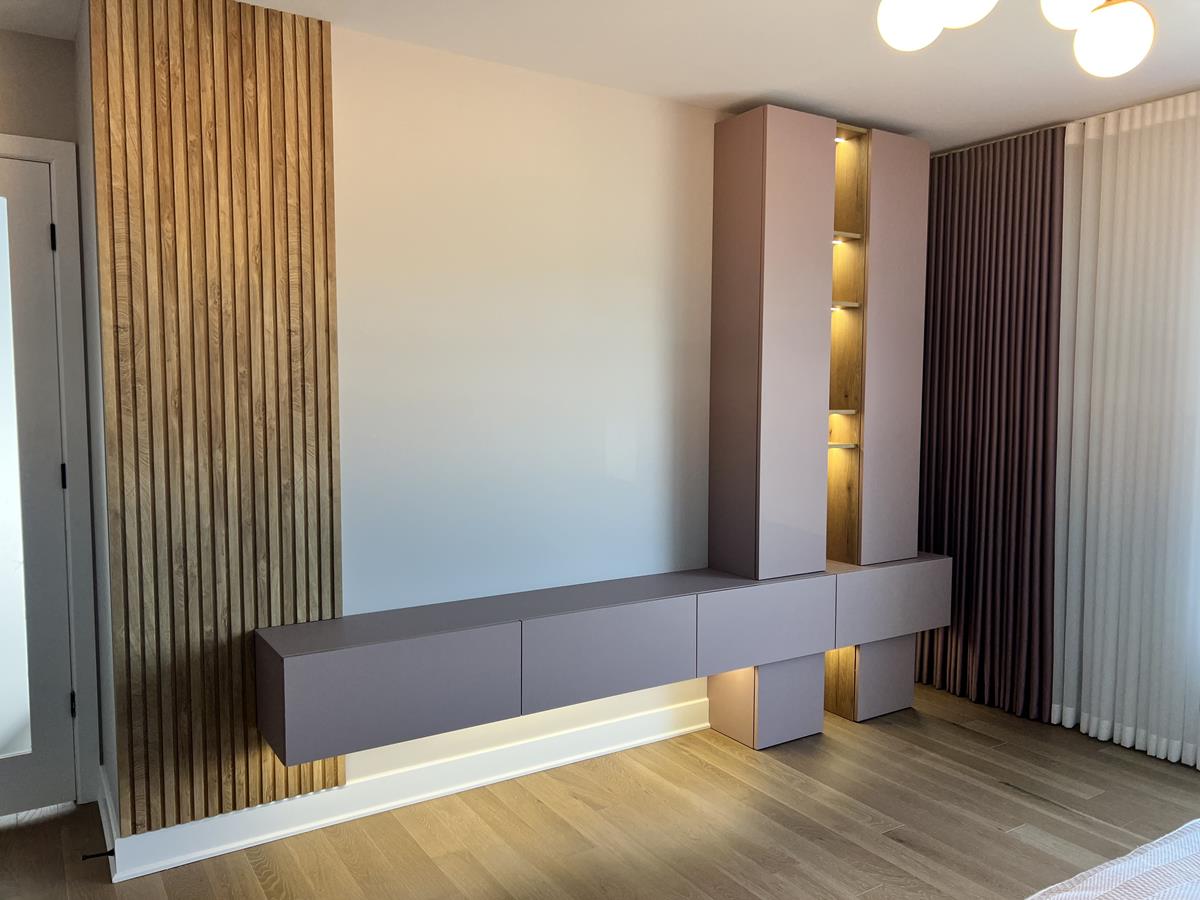
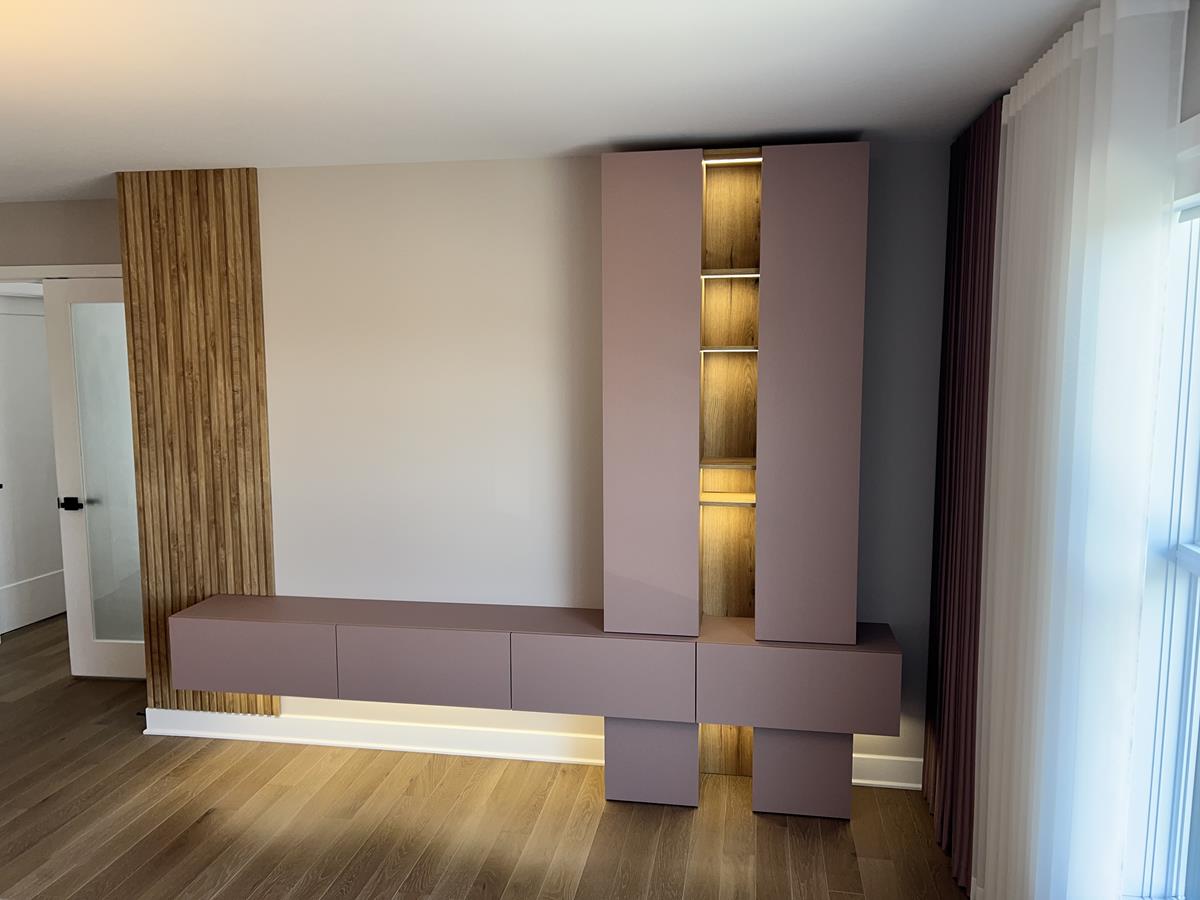
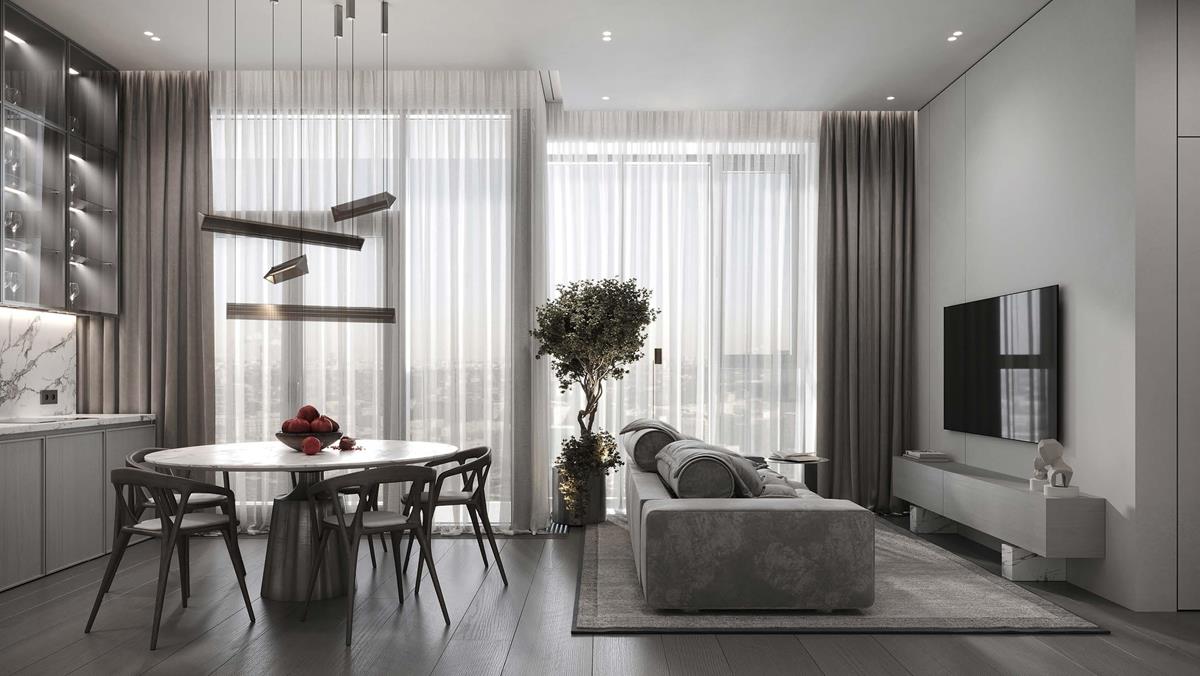
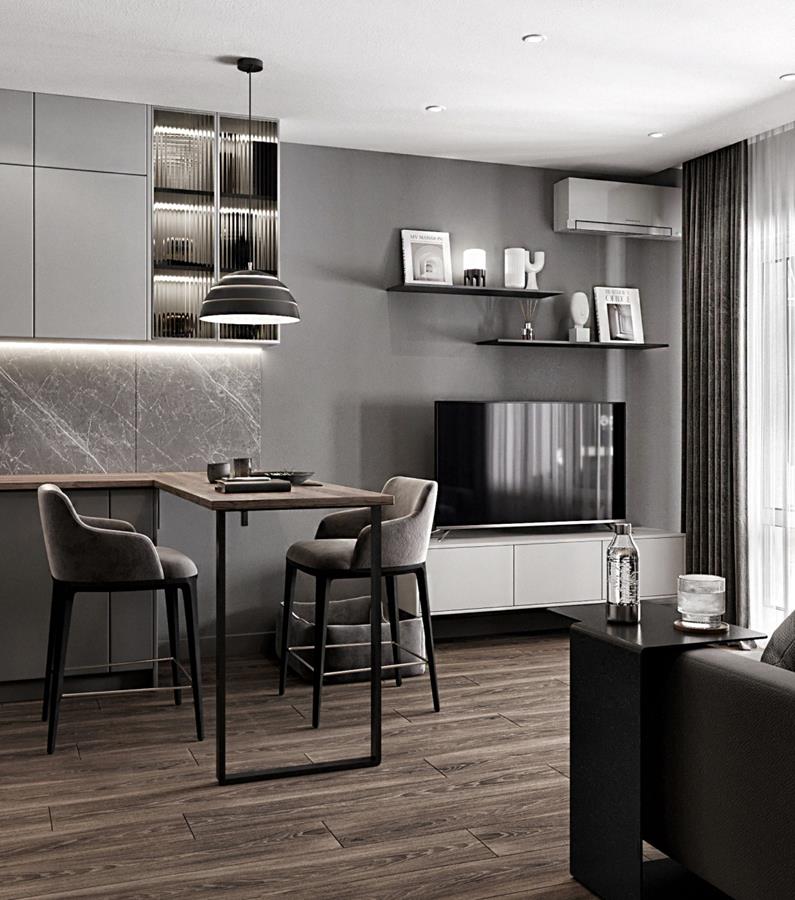
In a modern living room, the TV stand plays an essential role, not just as a support for media equipment but also as a decorative element. A well-chosen piece can become the room’s focal point, bringing harmony between technology and design. The TV stand can include intelligent storage solutions, such as shelves for DVDs, remote controls, or other accessories, keeping the space organized and neat.
Minimalist models with simple lines and wooden or metal finishes bring a modern, airy feel to the room, while classic, solid wood furniture adds elegance and stability. The choice of finishes and materials should be adapted to the room’s overall style – from matte surfaces to glossy ones, every detail matters in creating a balanced atmosphere.
Decorative Panels – Accents of Style and Personality
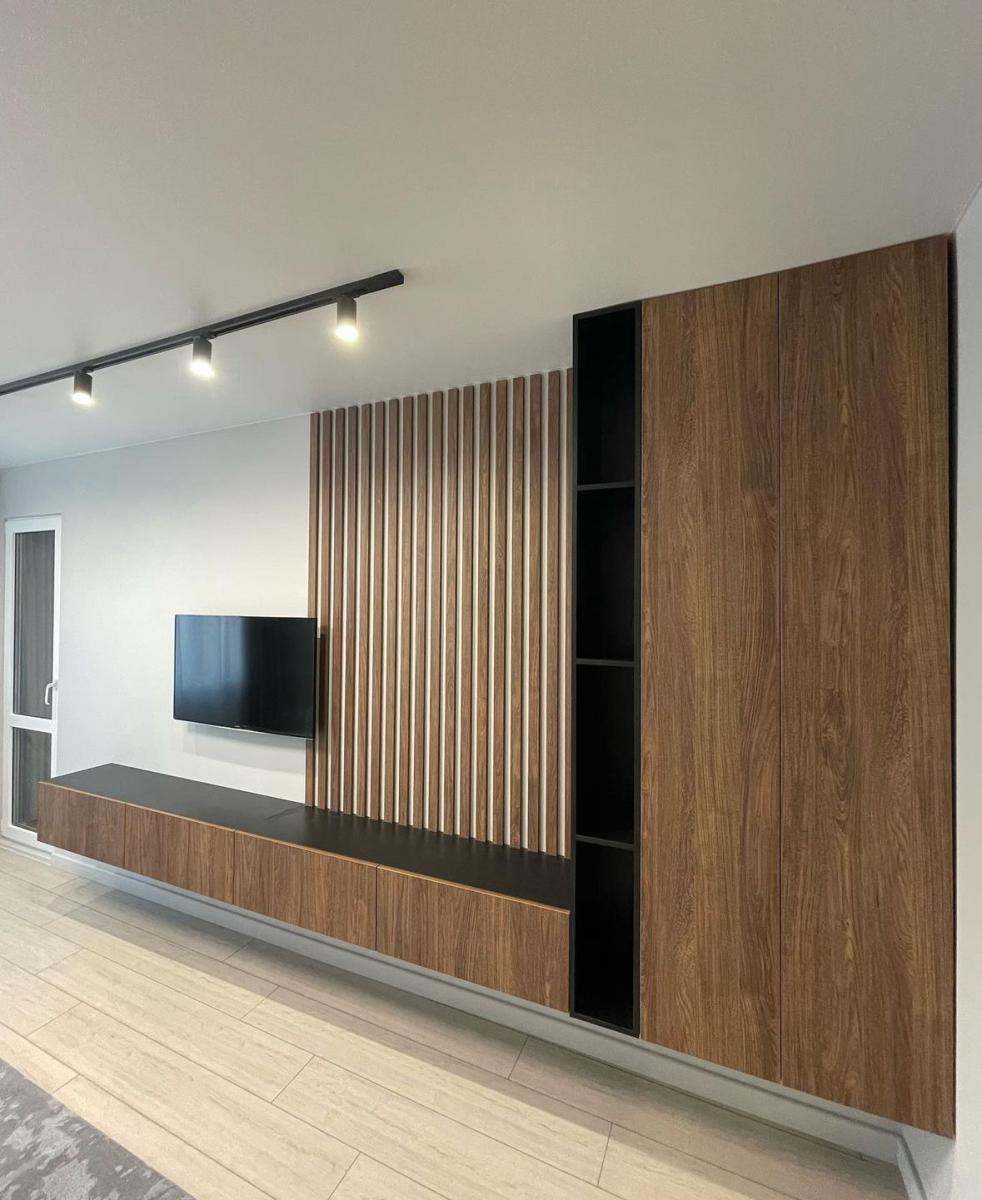
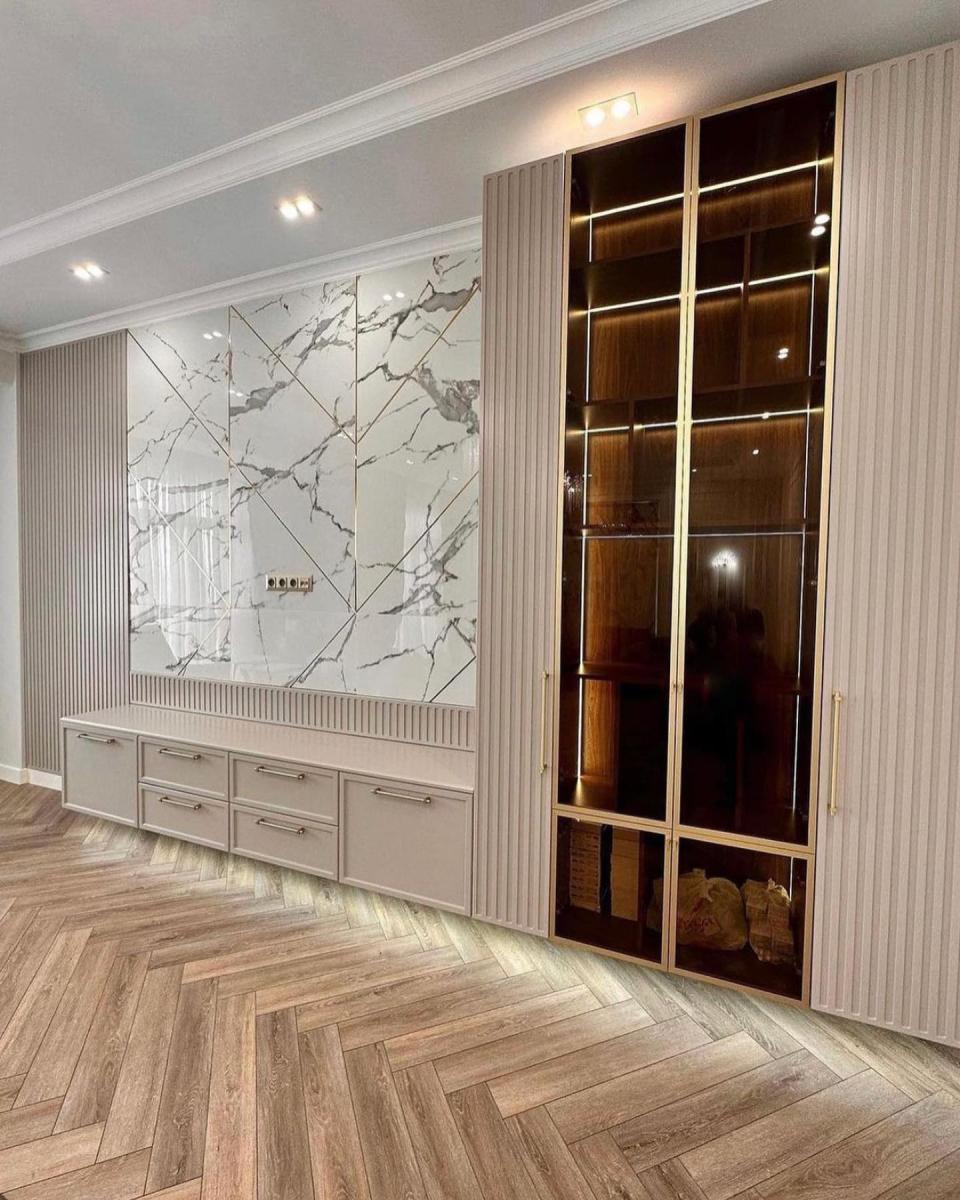
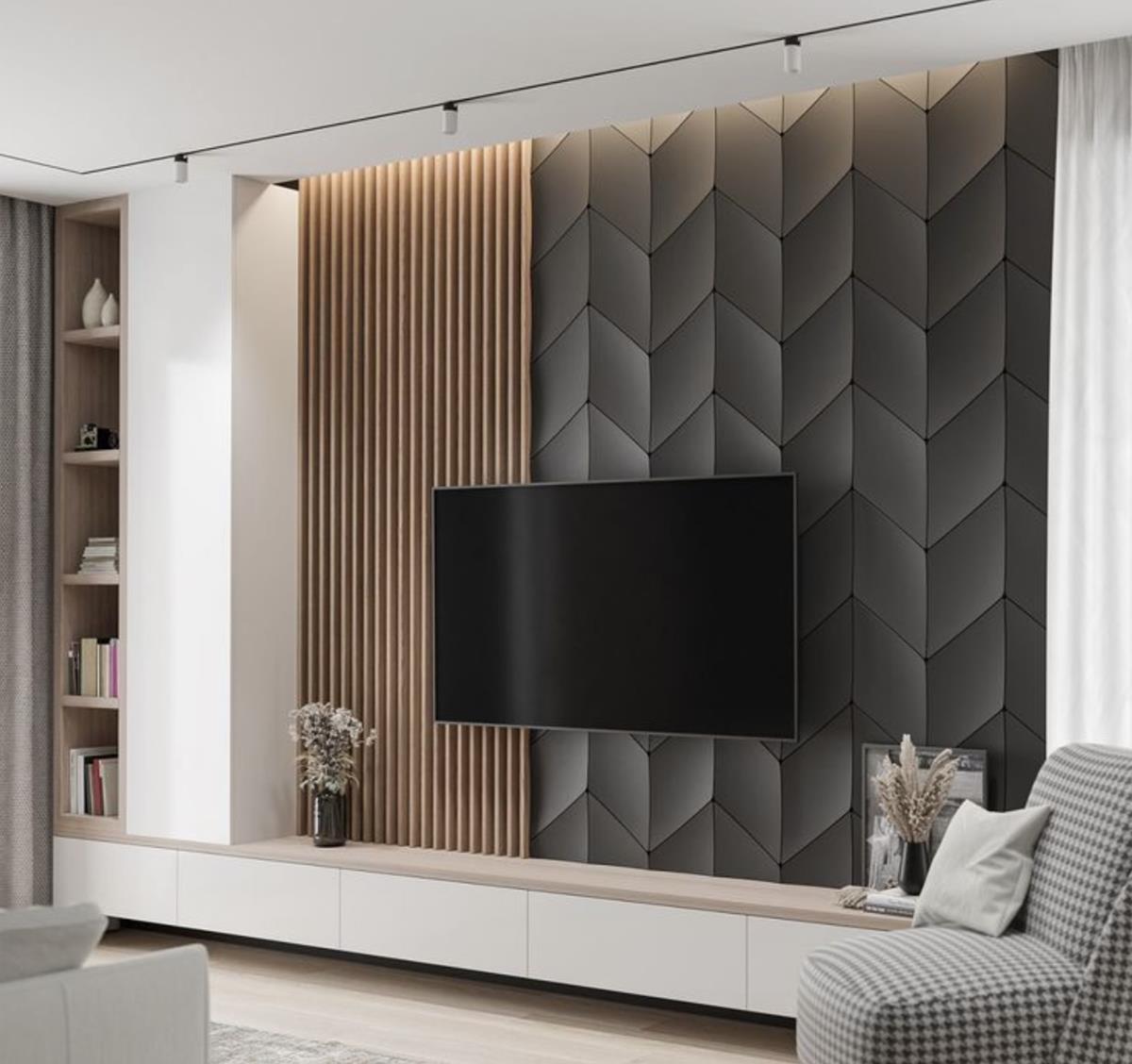
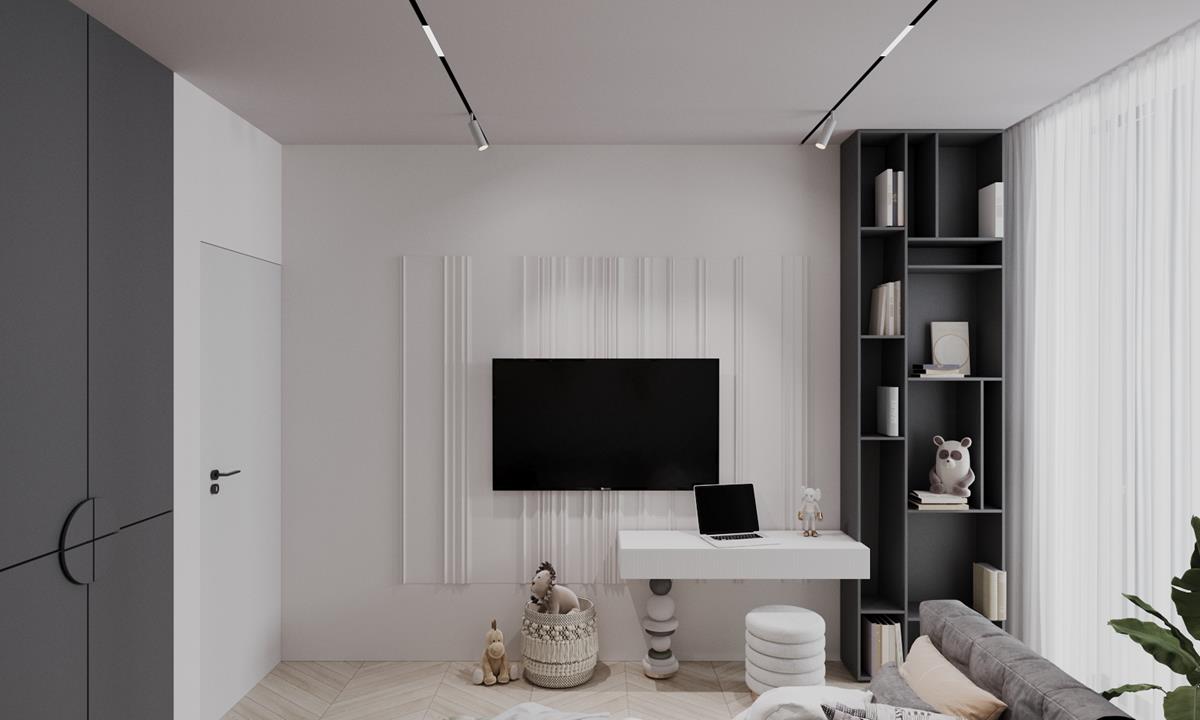
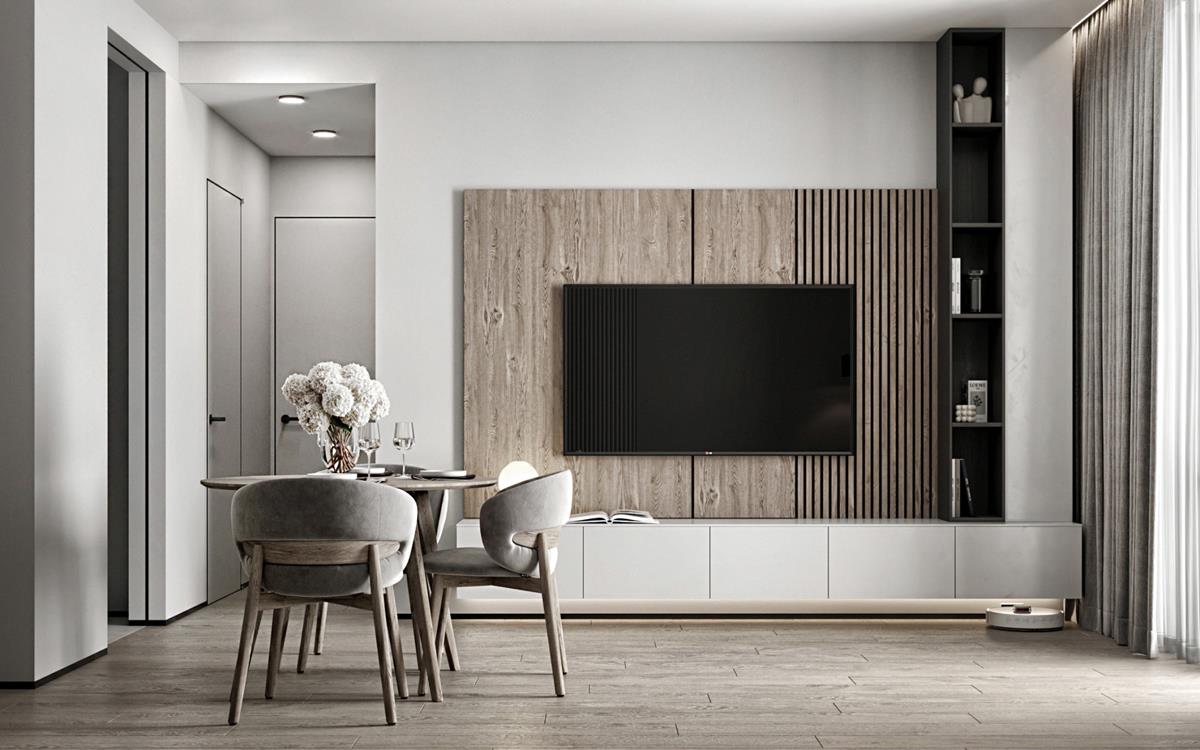
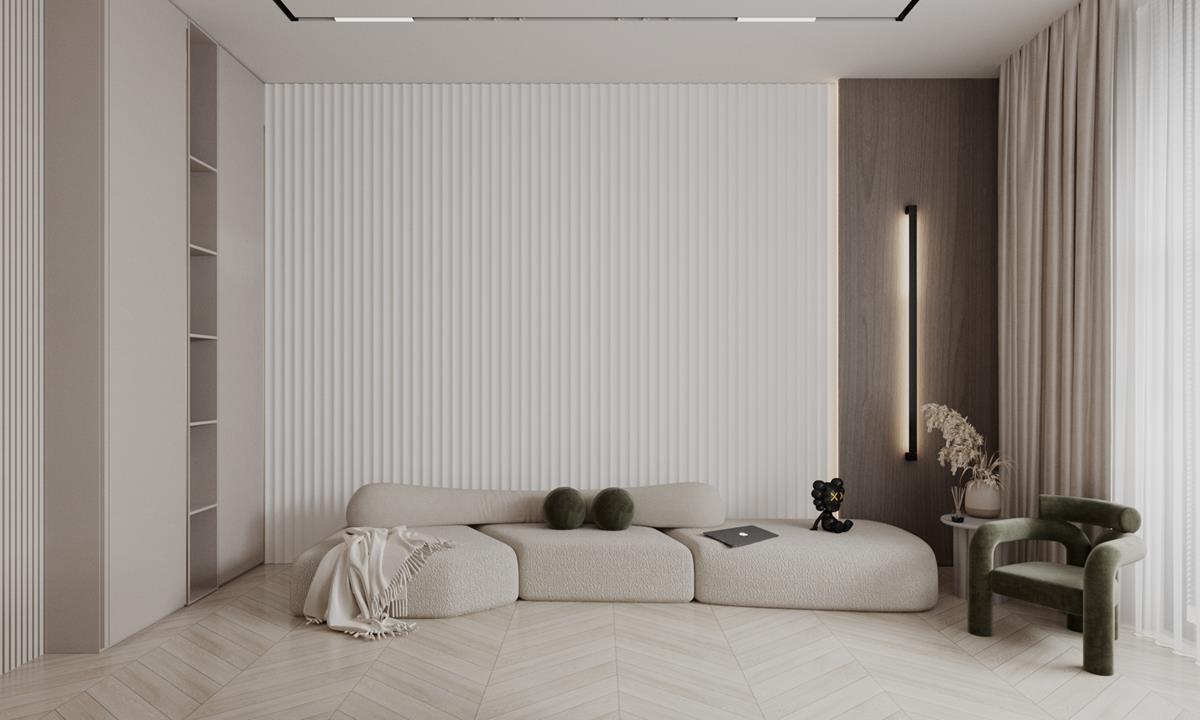
Decorative panels are a refined way to add texture and depth to living room walls, completely transforming the atmosphere. These can be used to define specific areas, such as the wall behind the television or the space around a fireplace, providing a strong focal point in the room’s design. The panels can range from simple, minimalist designs made from natural materials like wood or stone to more elaborate models incorporating 3D textures, geometric patterns, or metallic finishes. They bring a touch of modern elegance and can be used to create a subtle contrast with the rest of the décor, highlighting the beauty of the walls and adding a layer of originality.
Coffee Table – A Fusion of Aesthetics and Utility
Another essential piece in any living room is the coffee table. It not only completes the furniture but also serves as a practical element for family or friends’ gatherings. A well-chosen coffee table can transform the functionality of a living room, offering space for books, magazines, or decorations like flower vases or candles.
The materials used for coffee tables, whether glass, wood, or metal, should be carefully chosen based on the overall style of the living room. A glass table brings a modern and bright atmosphere, while a solid wood table adds warmth and stability.
Sideboards and Shelves – Stylish Storage Solutions
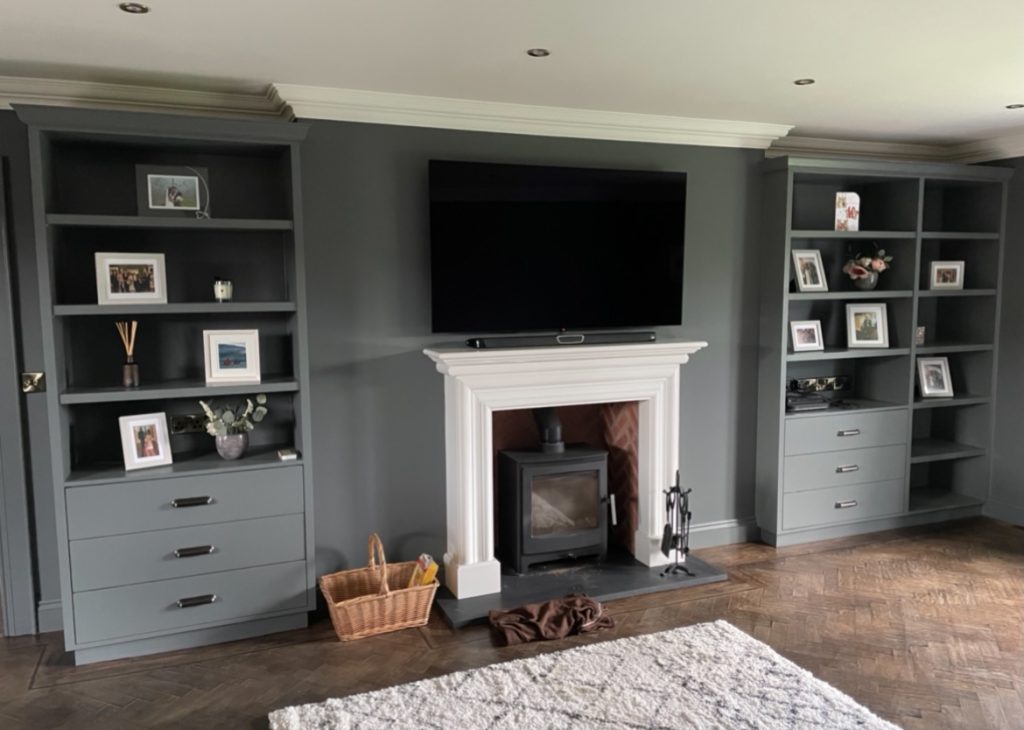
Sideboards and shelves are elegant storage solutions in the living room. They not only provide a perfect place to store decorative objects or everyday accessories but also add a touch of style to the room. A well-placed sideboard under the TV or wall-mounted shelves offer a balance between utility and aesthetics. For a modern style, metal or wooden shelves with natural finishes create an industrial vibe. To achieve a classic or elegant look, opt for a wooden sideboard with fine details for a touch of refinement.
Details and Accents that Transform the Living Room
It’s not just the furniture but also the small details that can completely transform a living room’s atmosphere. Decorative elements like cushions, throws, or rugs contribute to the overall comfort of the room and add color and texture. A soft rug can subtly define different areas within the living room, adding warmth and structure to the space.
Decorative cushions, chosen in complementary tones or with varied patterns, add a touch of personality and create a welcoming atmosphere. Curtains and drapes, on the other hand, control natural light and can add a layer of intimacy, perfectly complementing the overall living room design.
The Living Room – Your Space for Relax
Completed projects

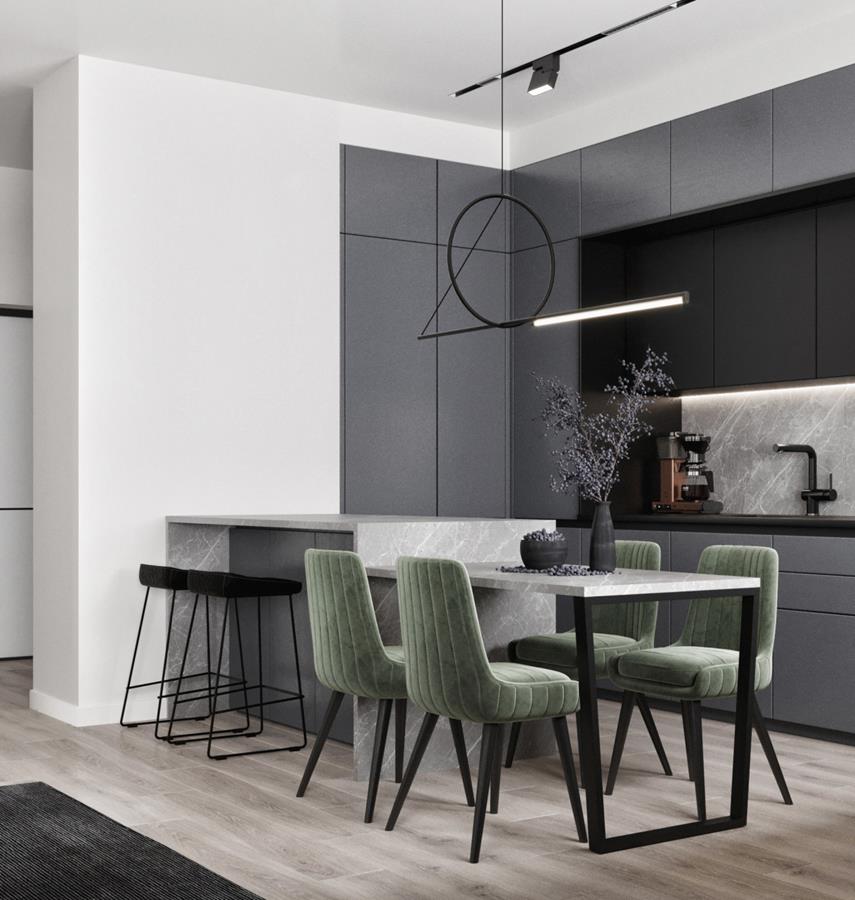
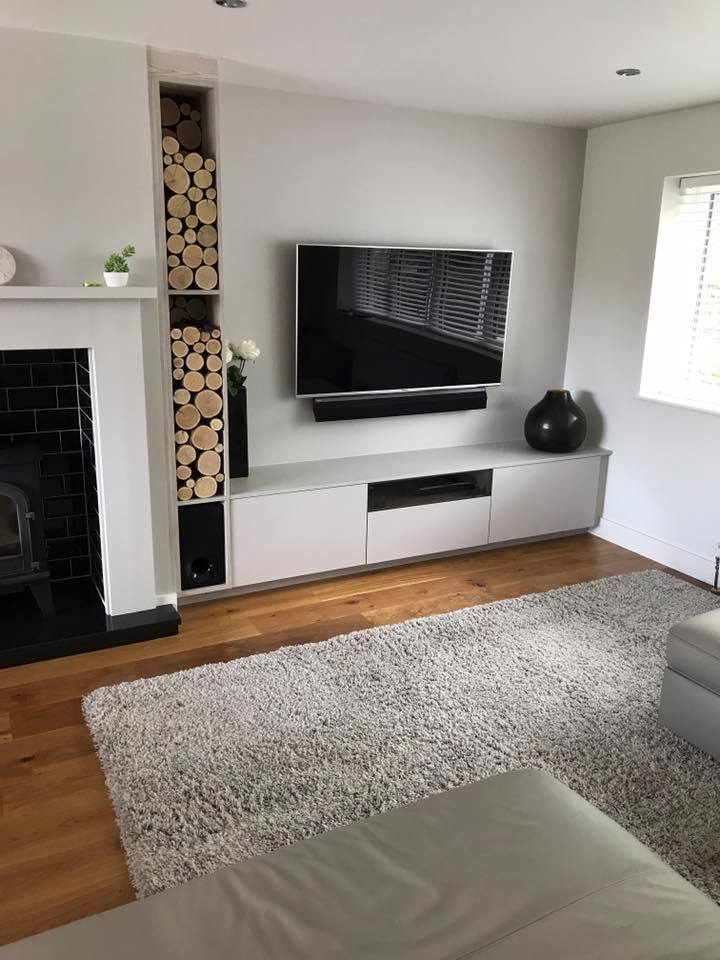
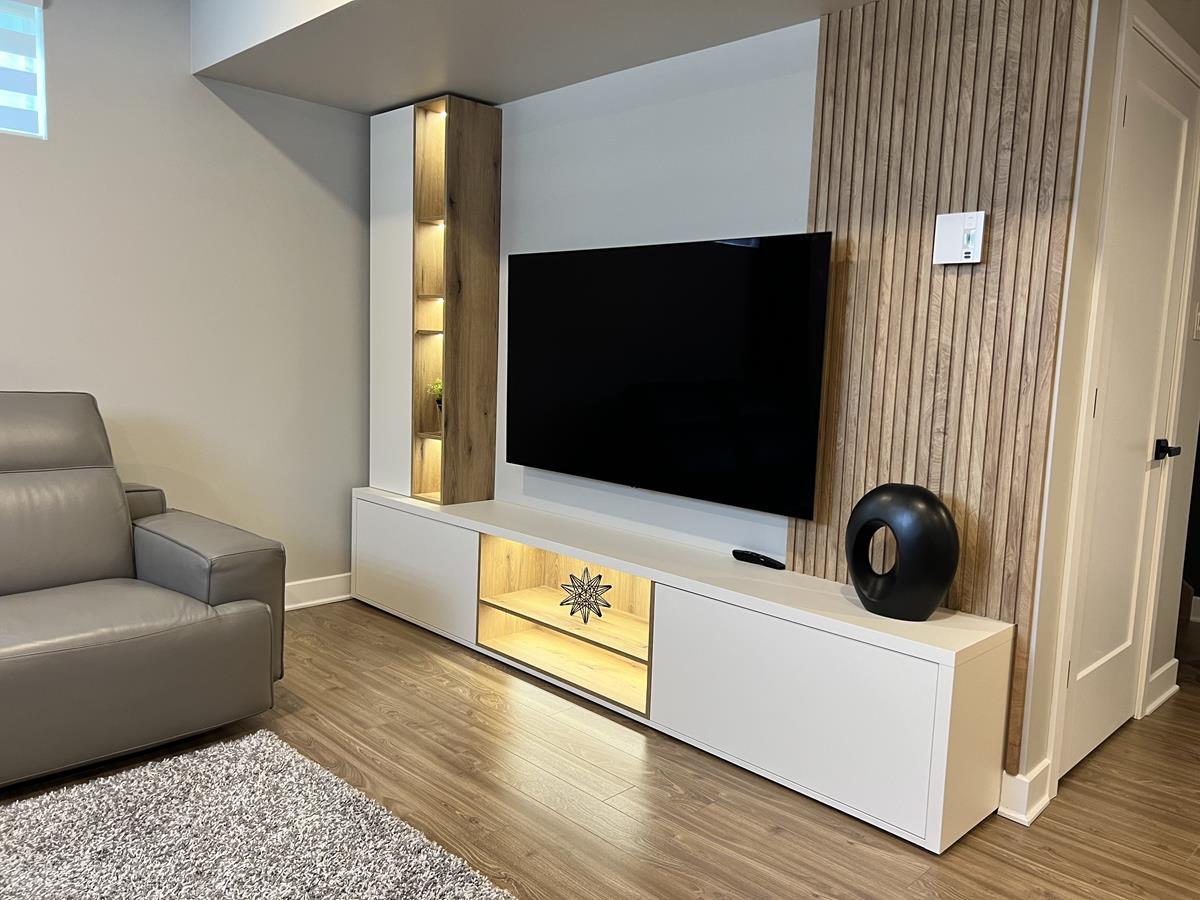
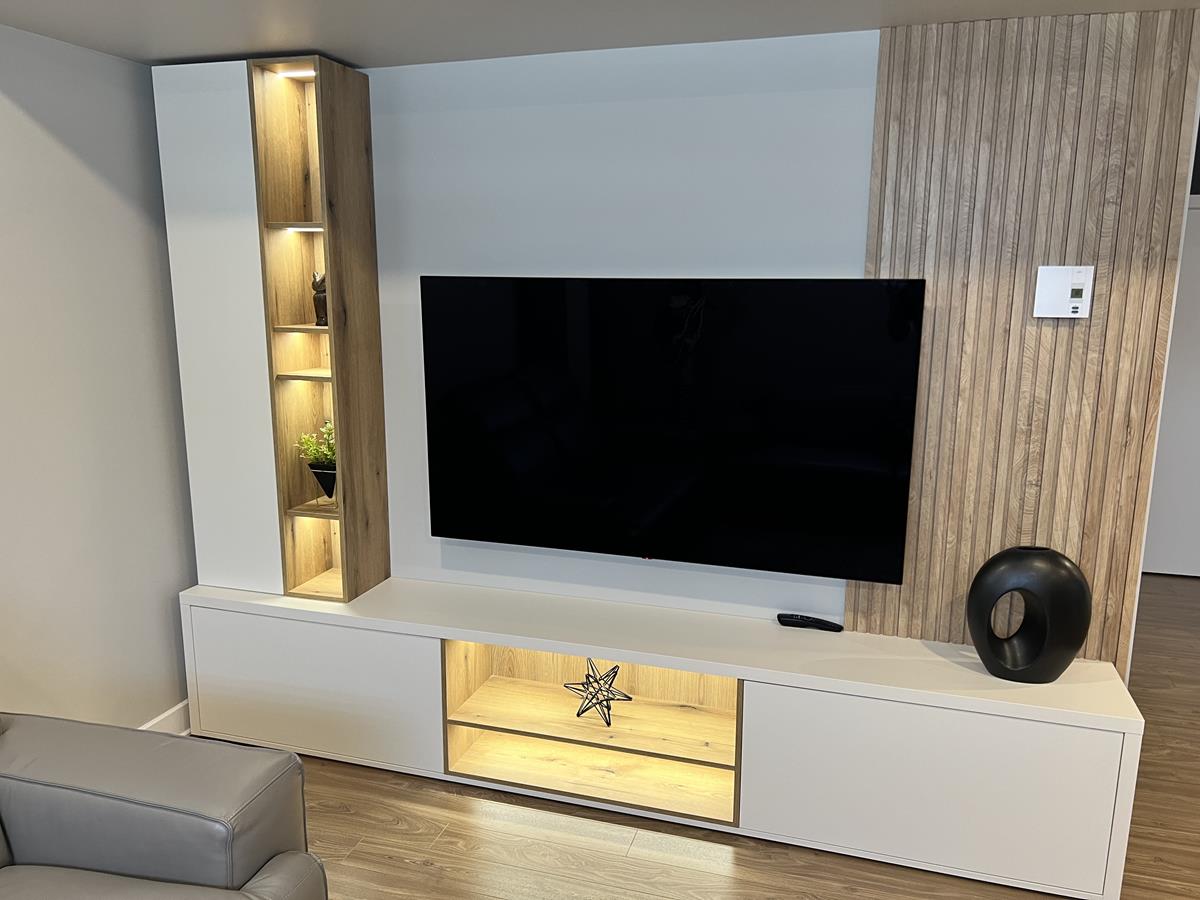
Decorative Wall Panels – Elegant and Functional Accents for Any Space
Decorative panels are an innovative and elegant way to completely transform the atmosphere of a room. They add depth, texture, and unique character to any space. They can be used to highlight walls or create a striking focal point. No matter the decorative style—modern, minimalist, classic, or industrial—they adapt perfectly. Decorative panels provide a refined solution for home personalization.
Types of Decorative Panels – A Wide Range of Options
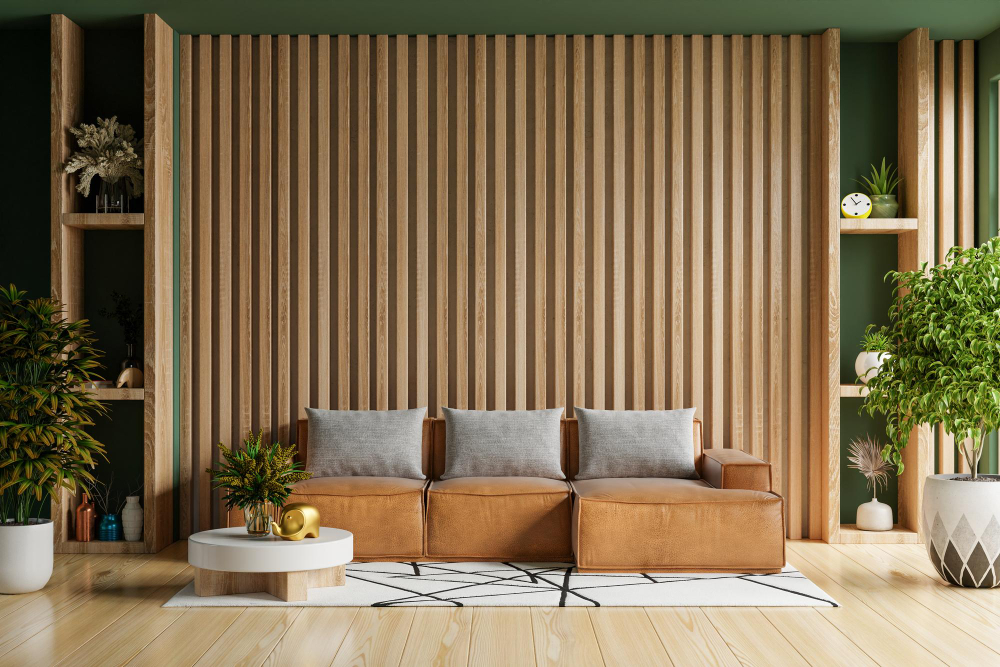
There are many types of decorative panels, each bringing a distinct note to the space and offering a unique aesthetic effect. Wooden Panels – Warmth and Natural Texture Wooden decorative panels are appreciated for their ability to bring a sense of warmth and comfort into a room. With their natural textures and hues, wood adds an organic element that creates a subtle contrast with contemporary designs. These panels are ideal for rustic décor, but also for modern interiors that seek to incorporate natural and durable materials. They can be used to cover an entire wall or to add subtle accents to specific areas of the home.
3D Panels – A Tactile and Visual Experience
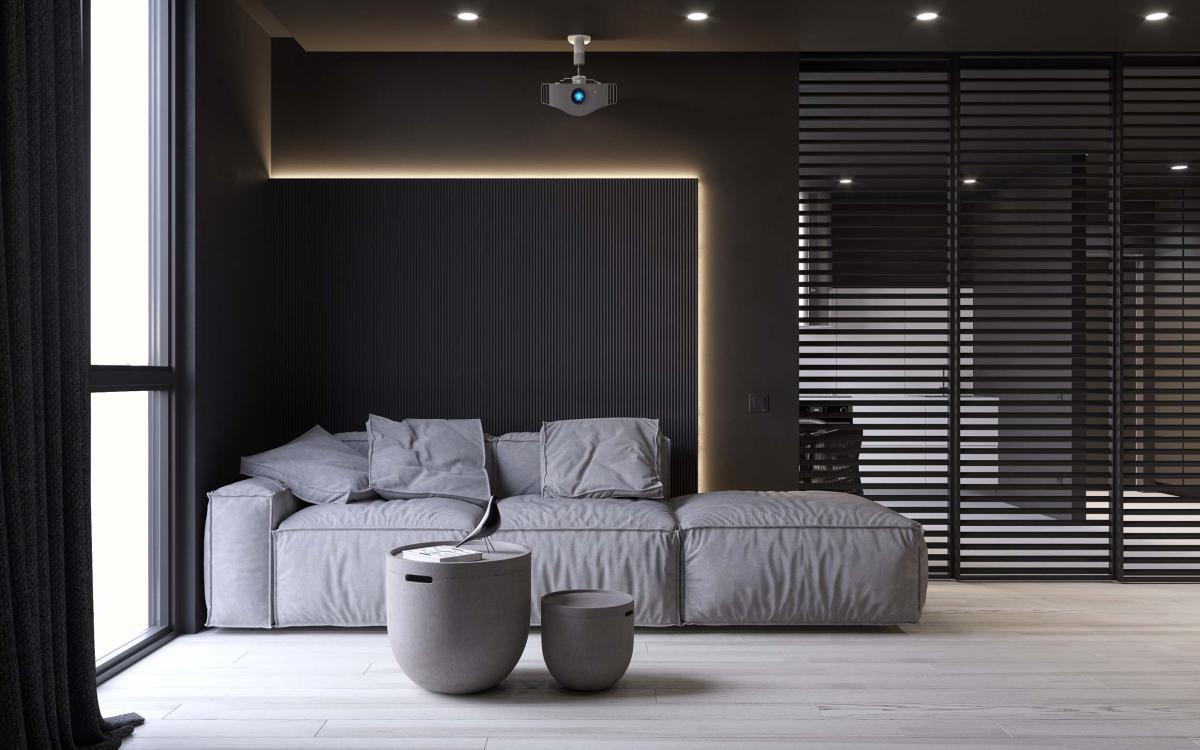
For a more dramatic effect, 3D decorative panels bring both dimension and a powerful visual impact. These panels are designed to create light and shadow play, offering dynamism and texture to walls. Available in a variety of models – from geometric to organic – 3D panels are a popular choice for those looking to transform a room into a sophisticated and modern space.
Metal Panels – Industrial and Elegant Flair
Metal panels bring an extra touch of refinement and elegance, ideal for interiors looking to integrate industrial accents. With glossy or matte finishes, metal offers a refined visual effect and can create interesting contrasts when combined with other materials such as wood or stone. Metal panels are frequently used in contemporary designs but can also be successfully integrated into spaces inspired by classic styles.
Stone or Marble Panels – Luxury and Durability
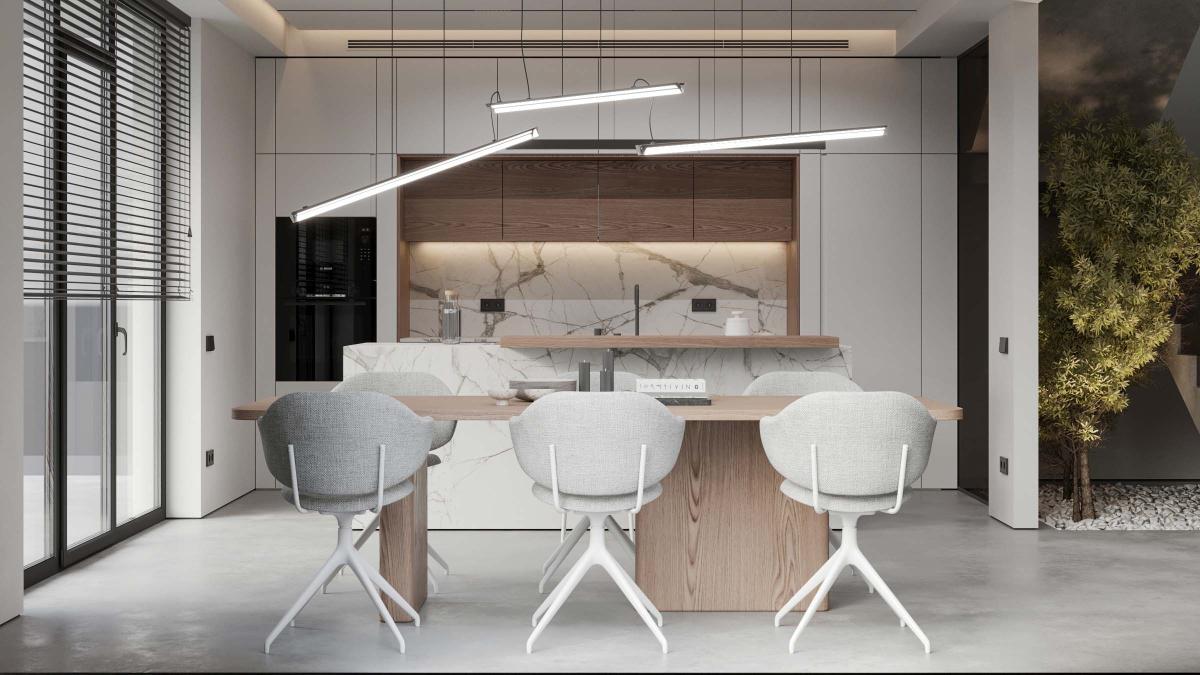
For a touch of luxury, decorative stone or marble panels are a perfect choice. These materials add a sense of durability and timeless elegance. They are ideal for creating an accent wall in a living room or highlighting the architectural elements of a room. Marble, with its fine texture and natural veins, conveys a sophisticated and exclusive atmosphere, often used in spaces that aspire to opulence.
Uses of Decorative Panels – Limitless Creativity
Decorative panels can be used in various ways to enhance interior design and create a unique atmosphere:
1. Accent Wall: Decorative panels are frequently used to create an accent wall in the living room, bedroom, or office. They can transform a simple wall into the focal point of the room, drawing attention and adding a visual interest.
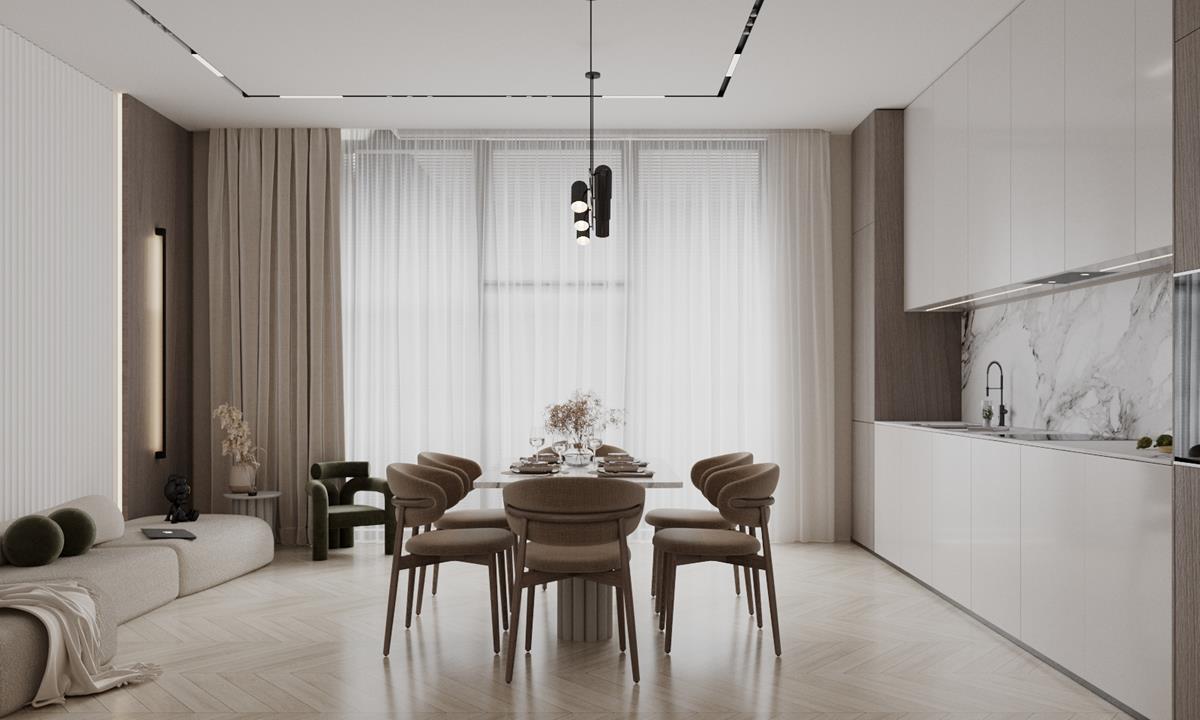
2. Zone Delimitation: In open spaces, decorative panels can be used to visually separate different areas without compromising light or space. For example, in an open-plan living room, panels can subtly separate the relaxation area from the dining space.
3. Ceiling Embellishment: For a spectacular effect, decorative panels can be installed on the ceiling, adding depth and interest to an element often overlooked in interior design.
4. Creating Continuity: In some interiors, decorative panels can be used to create visual continuity between walls and furniture, offering a fluidity of design and a coherent look.
Advantages of Decorative Panels – Functionality and Aesthetics
In addition to their aesthetic value, decorative panels also offer practical benefits. They can help improve the thermal and acoustic insulation of a room, providing additional comfort. Moreover, some materials used in panel production are moisture-resistant, making them suitable for spaces such as bathrooms or kitchens.
Decorative panels offer a versatile solution for those looking to add style and character to their home. Whether used to create an accent wall or to enhance a room’s texture, these panels provide an elegant and creative way to personalize any space. The choice of materials and design should reflect the home’s personality and style, ensuring a strong visual impact and a unique atmosphere.
Furniture for the Entryway – Discreet Functionality and Elegance
Entryway furniture must be primarily practical to meet daily needs. But it should also add a touch of style and refinement. Each piece must be carefully chosen to optimize space and offer a warm welcome for both you and your guests.
The Home Entryway – An Elegant and Welcoming Introduction
The entryway is the first impression your guests have of your home. The entryway serves as a transition between the outside world and the comfort of your home. It should reflect your home’s style and personality. Though often seen as purely functional, it can also be an elegant and inviting space. Here, design and practicality merge seamlessly.
The Console – An Elegant and Functional Accent Piece
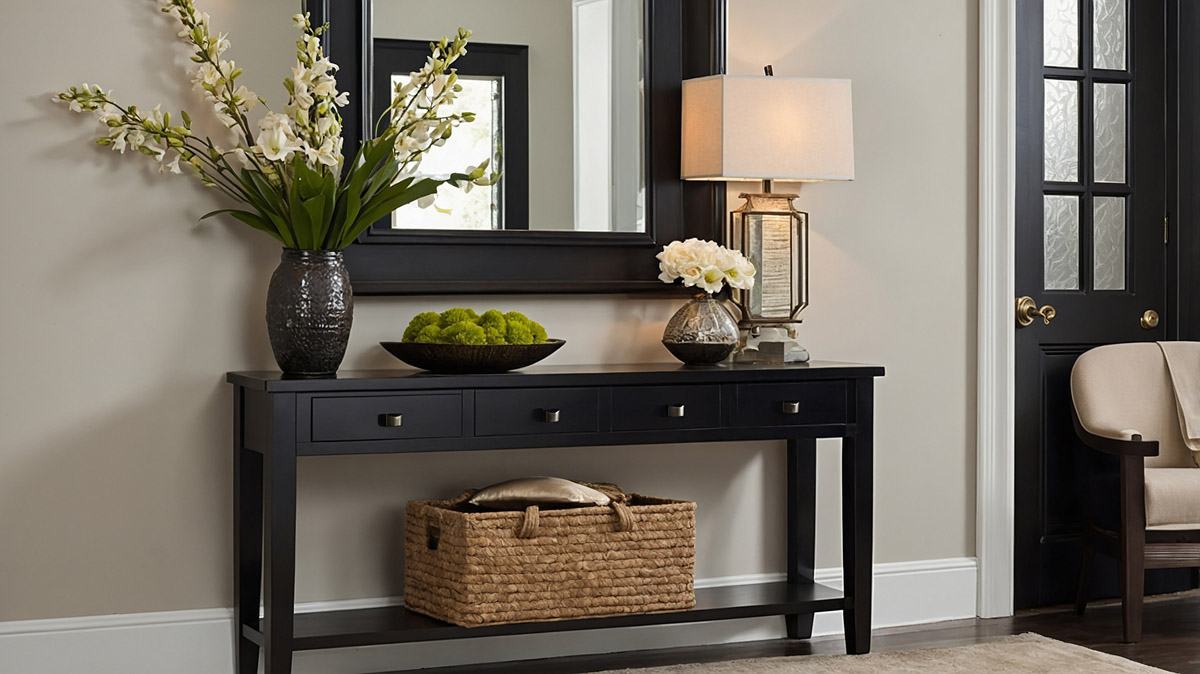
An elegant console is one of the essential pieces of furniture for any entryway. It not only aesthetically complements the space but also provides an ideal surface for decorative or practical items like keys or mail. A console with drawers can add extra functionality, offering discreet storage space. Finishes in wood, glass, or metal can be chosen to match the general style of the house, whether modern, minimalist, or classic.
The Coat Rack – A Combination of Practicality and Aesthetics
A coat rack or shelf for coats is an essential element in the entryway, bringing both order and a sophisticated touch. You can choose a simple wall-mounted coat rack with clean lines and metallic finishes. For a warmer touch, a classic wooden coat rack is a great option. It should be placed strategically for easy access and convenience. At the same time, it should blend harmoniously with the entryway decor.
The Bench – Comfort and Functionality
A bench in the entryway can add both comfort and style. It offers a seat for putting on or taking off shoes. If it has an interior compartment, it can also provide extra storage space. Soft materials like velvet or leather add a touch of luxury and comfort. A minimalist design creates a modern and airy feel.
The Mirror – A Decorative and Practical Element
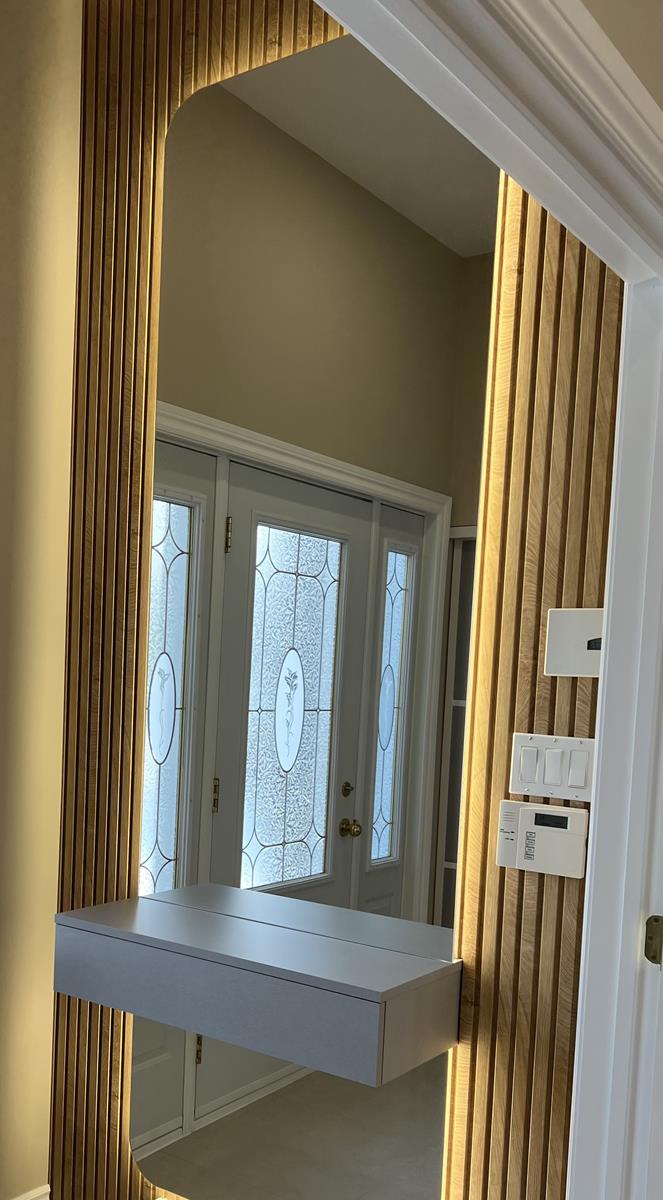
The mirror is not only a practical element for the entryway but also an excellent way to amplify natural light and create the illusion of a larger space. A mirror with a decorative frame can become the centerpiece of the entryway, adding a touch of elegance. Additionally, a mirror placed above a console or next to a coat rack offers a complete and functional look to the entryway.
Details and Accents for the Entryway
In addition to functional furniture, decorative details play a key role in creating a welcoming atmosphere in the entryway. Rugs, decorative cushions for the bench, or small decorative items bring personality and warmth to this space. A small rug placed at the entrance not only protects the floor but also adds a design element.
Furniture for the Living Room – A Natural Extension of the Entryway’s Style
The living room furniture can harmoniously reflect the style introduced in the entryway, creating an aesthetic continuity between the spaces of the house. Essential pieces, such as a comfortable sofa, elegant armchairs, a coffee table, and shelves for decorative items, should be carefully chosen according to your style preferences and desired functionality.
The Living Room and Entryway – A Natural Flow of Style and Comfort
In conclusion, the entryway of the home is more than just a transitional space – it is a refined introduction to the atmosphere and style of the entire home. Well-chosen furniture, such as the console, coat rack, bench, and mirror, not only enhances the functionality of this space but also contributes to creating a warm and elegant welcome. These elements should harmoniously complement the living room furniture, offering a natural flow between the house’s spaces and creating a comfortable and sophisticated ambiance.